
A bowl of ramen can be delicious on its own, but adding a perfectly prepared ramen egg makes it feel like a meal from your favorite Japanese noodle shop. With a tender egg white, a rich golden yolk, and a savory marinade infused with soy sauce and mirin, ramen eggs bring a wonderful combination of flavor, texture, and color to a bowl of noodles.
Known in Japanese as ajitsuke tamago or ajitama, ramen eggs are seasoned soft-boiled eggs commonly served with ramen, rice bowls, and other Japanese dishes. Although they look impressive, they are surprisingly easy to prepare at home. You do not need special equipment or professional cooking skills—just fresh eggs, a carefully timed boiling process, and a flavorful marinade.
The secret is balancing three things: cooking the eggs to your preferred consistency, cooling them quickly to stop the cooking process, and allowing enough time for the marinade to develop flavor.
In this guide, you will learn how to make ramen eggs step by step, prepare a traditional Japanese-inspired marinade, avoid common mistakes, and customize the recipe to suit your taste. Whether you are preparing homemade ramen for dinner or building content for a Japanese food recipe collection, this recipe offers a practical starting point.
What Are Ramen Eggs?
Ramen eggs are soft-boiled eggs that are peeled and soaked in a seasoned liquid. The marinade typically contains soy sauce, mirin, water, and sometimes sake, sugar, garlic, or ginger.
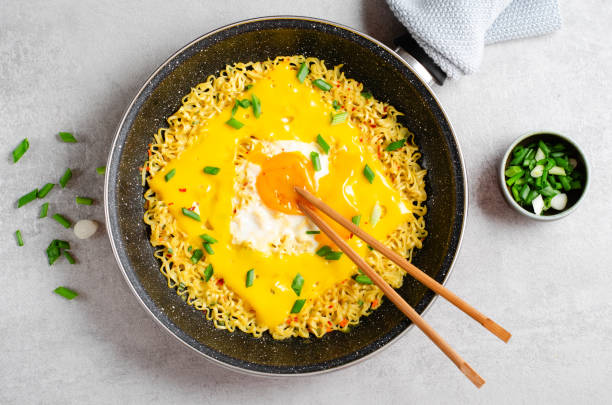
Unlike ordinary boiled eggs, ramen eggs develop a savory outer layer as the seasoning gradually penetrates the egg white. The yolk remains creamy or slightly jammy when cooked correctly, creating a contrast that works beautifully with hot noodles and flavorful broth.
In Japanese cooking, these eggs are especially associated with ramen shops, where they are often sliced in half and placed on top of a steaming bowl of noodles.
They are also delicious served with steamed rice, stir-fried vegetables, or a simple Japanese-inspired breakfast.
Ramen Eggs Recipe at a Glance
| Recipe detail | Information |
|---|---|
| Preparation time | 10 minutes |
| Cooking time | 6½–7 minutes |
| Marinating time | 4–12 hours |
| Total time | Approximately 5–13 hours |
| Servings | 4 |
| Yield | 4 ramen eggs |
| Difficulty | Easy |
| Main ingredients | Eggs, soy sauce, mirin, water |
| Best use | Ramen, rice bowls, and Japanese-inspired meals |
Cooking times are a starting point for large eggs placed into already boiling water. Egg size, starting temperature, and altitude can affect the result.
Ingredients for Homemade Ramen Eggs
One of the best things about this recipe is its short ingredient list. Each component contributes to the eggs’ savory, slightly sweet, and balanced flavor.
For the Eggs
- 4 large eggs
- Water for boiling
- A bowl of ice water
For the Japanese-Inspired Marinade
- ¼ cup Japanese soy sauce
- ¼ cup water
- ¼ cup mirin
- 1 teaspoon sugar, optional
- 1 small garlic clove, lightly crushed, optional
- 2–3 thin slices fresh ginger, optional
Ingredient note: Mirin is a sweet Japanese rice seasoning wine. If you do not have it, use water with a small amount of sugar as a practical substitute, although the flavor will be different. If avoiding alcohol, check product labels and choose a suitable nonalcoholic alternative.
For a less salty result, use reduced-sodium soy sauce or increase the water slightly.
How to Make Ramen Eggs Step by Step
<AsyncImage query=”Japanese ajitama ramen eggs sliced soft boiled eggs jammy golden yolks soy marinated eggs plate” aspectRatio=”16:9″ width=”100%” />
Step 1: Prepare an Ice Bath
Before cooking the eggs, fill a medium-sized bowl with cold water and plenty of ice.
This step is important because the eggs need to cool quickly after boiling. Rapid cooling helps stop the cooking process and makes it easier to achieve a soft, creamy yolk instead of a firm, dry center.
Preparing the ice bath in advance also means you can transfer the eggs immediately when their cooking time is complete.
Step 2: Bring the Water to a Boil
Fill a saucepan with enough water to cover the eggs completely. Bring the water to a steady boil.
Lower the eggs gently into the water using a slotted spoon. Avoid dropping them from a height, as the shells may crack.
If you are concerned about cracking, lower the eggs carefully and keep the water at a controlled boil rather than allowing it to bubble violently.
Step 3: Cook the Eggs for a Jammy Center
For large eggs, cook for approximately 6½–7 minutes to aim for a soft, jammy yolk. If you prefer a slightly firmer center, you can experiment with another 30–60 seconds.
Start timing once the eggs enter the boiling water. Keep the water at a gentle, steady boil.
Eggs straight from the refrigerator may need slightly different timing than eggs that have been sitting at room temperature. Use the first batch to find the timing that works best for your pan, egg size, and preferred yolk texture.
Step 4: Transfer the Eggs to Ice Water
Once the cooking time is complete, immediately transfer the eggs to the ice bath.
Allow them to cool for approximately 10 minutes.
Cooling stops the residual heat from continuing to cook the yolks and makes the eggs more comfortable to handle. It also helps reduce the risk of a greenish ring forming around the yolk, which can occur when eggs are overcooked.
Step 5: Peel the Eggs Carefully
Tap each egg gently against a hard surface to crack the shell. Roll it lightly to create additional cracks, then begin peeling.
Peeling under a gentle stream of cool water can help loosen stubborn pieces of shell. Start near the wider end, where there is often a small air pocket.
Take your time, especially if the eggs are very soft. A torn egg may still taste excellent, but a smooth egg white creates a more attractive presentation.
Step 6: Prepare the Marinade
In a small bowl, combine the soy sauce, water, mirin, and optional sugar.
Stir until the sugar dissolves. If you want extra aroma, add the crushed garlic and ginger.
For a more concentrated marinade, you can gently heat the mixture to help dissolve the sugar, but allow it to cool completely before adding the eggs. Never place delicate soft-boiled eggs directly into hot marinade.
Step 7: Marinate the Eggs
Place the peeled eggs in a clean, food-safe container or a resealable food bag.
Pour the cooled marinade over the eggs. Make sure they are mostly submerged. If the container is wide, you may need to turn the eggs occasionally to distribute the color and seasoning more evenly.
Cover and refrigerate for 4–12 hours.
- 4 hours: Mild seasoning and a light brown exterior.
- 8 hours: More noticeable savory flavor.
- 12 hours: Deeper color and stronger seasoning.
The exact result depends on the marinade concentration and how fully the eggs are submerged. Avoid marinating for too long in a very salty mixture, as the eggs can become overly salty.
Step 8: Slice and Serve
Remove the eggs from the marinade and gently pat them dry.
Use a sharp knife to slice each egg lengthwise. For cleaner cuts, wipe the blade between eggs or use a thin knife dipped in warm water and dried.
Arrange the halves on a bowl of ramen, over steamed rice, or beside sautéed vegetables. The golden yolk and glossy exterior add both flavor and visual appeal.
How Long Should You Cook Ramen Eggs?
The cooking time determines the yolk texture. These approximate times apply to large eggs placed into boiling water.
| Cooking time | Expected yolk texture | Best for |
|---|---|---|
| 6 minutes | Very soft and runny | Rich ramen bowls |
| 6½–7 minutes | Soft and jammy | Classic ramen-style presentation |
| 7½–8 minutes | Creamy but more set | Rice bowls and meal prep |
| 9–10 minutes | Mostly firm | People who prefer firmer yolks |
| 11–12 minutes | Fully firm | Traditional hard-boiled egg texture |
These are culinary estimates, not guaranteed results. Egg size, starting temperature, altitude, and cooking equipment all affect timing. If serving people who are pregnant, very young, older, or immunocompromised, be aware that soft-cooked eggs carry a higher food-safety risk. Pasteurized eggs and fully cooked eggs are safer options for people at increased risk of foodborne illness.
Tips for Making Perfect Ramen Eggs Every Time
Use a Timer
A difference of even one minute can change a soft yolk into a firmer one. Use a timer instead of estimating the cooking time.
Cool the Eggs Immediately
Do not leave the eggs sitting in the hot saucepan after cooking. Transfer them directly to the ice bath to stop the cooking process.
Peel With Patience
Soft-boiled eggs are delicate. Crack the shell all over and peel slowly to reduce the chance of tearing the whites.
Keep the Marinade Balanced
Soy sauce provides saltiness, mirin adds sweetness, and water keeps the seasoning from becoming too concentrated. Adjust the ratio to match your preferred flavor.
Use a Small Container
A snug container or food-safe bag helps the marinade contact the eggs more evenly. If using a bag, place it inside a bowl in the refrigerator to catch potential leaks.
Refrigerate Throughout Marinating
The eggs should remain refrigerated while soaking in the marinade. Do not leave them on the counter to speed up the process.
Five Delicious Ways to Customize Ramen Eggs
Once you master the basic recipe, you can experiment with other flavors.
<box gap={3}>
<row align=start gap={3}>
<AsyncImage query=”Japanese soy marinated ramen eggs dark glossy brown shell peeled sliced yolk” aspectRatio=”3:4″ maxWidth=”112px” />
<box flex=”1″ gap={1}>
**1. Classic Soy Sauce Ramen Eggs**
  Use soy sauce, mirin, and water for a traditional savory-sweet flavor. This is the best version to try first because it pairs with almost any ramen broth.
</box>
</row>
<divider color=”subtle” />
<row align=start gap={3}>
<AsyncImage query=”ramen eggs garlic ginger soy marinade fresh ginger garlic in bowl” aspectRatio=”3:4″ maxWidth=”112px” />
<box flex=”1″ gap={1}>
**2. Garlic and Ginger Eggs**
  Add crushed garlic and sliced ginger to the marinade. These ingredients contribute a fragrant aroma that works particularly well with chicken ramen or vegetable broth.
</box>
</row>
<divider color=”subtle” />
<row align=start gap={3}>
<AsyncImage query=”spicy Japanese ramen egg chili oil sesame seeds sliced ajitama” aspectRatio=”3:4″ maxWidth=”112px” />
<box flex=”1″ gap={1}>
**3. Spicy Ramen Eggs**
  Add a small amount of chili oil or chili flakes to the marinade. Start with a little and adjust the heat gradually.
</box>
</row>
<divider color=”subtle” />
<row align=start gap={3}>
<AsyncImage query=”miso marinated soft boiled eggs Japanese miso paste sesame bowl” aspectRatio=”3:4″ maxWidth=”112px” />
<box flex=”1″ gap={1}>
**4. Miso-Infused Eggs**
  Whisk a small spoonful of miso into the marinade, adjusting the soy sauce to avoid excessive saltiness. The result is a deeper, savory flavor that complements miso ramen.
</box>
</row>
<divider color=”subtle” />
<row align=start gap={3}>
<AsyncImage query=”Japanese ramen egg halves sesame seeds scallions on steamed white rice bowl” aspectRatio=”3:4″ maxWidth=”112px” />
<box flex=”1″ gap={1}>
**5. Sesame and Scallion Eggs**
  Keep the classic marinade and add a little sesame oil. Finish the sliced eggs with fresh scallions and sesame seeds just before serving.
</box>
</row>
</box>
What to Serve With Ramen Eggs
Ramen eggs are versatile enough to complement several dishes beyond noodle soup.
| Dish | How the egg complements it |
|---|---|
| Shoyu ramen | Adds richness to the savory soy-based broth |
| Miso ramen | Balances the deep, fermented flavor |
| Spicy ramen | Soft yolk helps round out spicy flavors |
| Steamed rice | Turns a simple bowl into a more satisfying meal |
| Japanese curry rice | Adds creamy texture alongside the sauce |
| Stir-fried noodles | Brings contrast to the chewy noodles |
| Vegetable rice bowls | Adds color and a source of protein |
For a classic ramen bowl, combine noodles and broth with sliced green onions, mushrooms, nori, and a ramen egg. Add other toppings according to your taste.
How to Store Ramen Eggs Safely
Because ramen eggs are soft-boiled and peeled, careful storage is especially important.
- Keep the eggs refrigerated at 40°F (4°C) or below.
- Store them in a clean, covered food-safe container.
- Use them promptly; for this homemade soft-boiled recipe, a conservative approach is to eat them within 2–3 days.
- Do not leave the eggs at room temperature for more than two hours.
- Avoid storing them in the marinade indefinitely, as the flavor may become excessively salty.
- Discard eggs that have been left unrefrigerated too long or show signs of spoilage.
If you want to prepare eggs ahead of time, make a fresh batch of marinade and use clean utensils when handling the cooked eggs. Do not reuse marinade that has been handled unsafely or contaminated.
Common Mistakes to Avoid
Overcooking the eggs: Excessive cooking creates a firm yolk instead of the creamy center many people prefer. Use a timer and an ice bath.
Adding eggs to hot marinade: Hot liquid can continue cooking the yolks. Cool the marinade completely first.
Using too much soy sauce: A highly concentrated marinade may make the egg whites unpleasantly salty. Balance soy sauce with water and mirin.
Skipping the ice bath: Without rapid cooling, residual heat continues cooking the eggs.
Peeling too aggressively: Rough handling can tear the whites. Crack the shell gently and work slowly.
Leaving eggs unrefrigerated: The marinating process must take place in the refrigerator to reduce food-safety risks.
Frequently Asked Questions About Ramen Eggs
Can I make ramen eggs without mirin?
Yes. You can use soy sauce, water, and a small amount of sugar as a substitute. The flavor will not be exactly the same, but it can still produce a delicious seasoned egg.
How long do ramen eggs need to marinate?
Four hours provides a noticeable flavor, while eight to twelve hours generally produces a deeper taste. Keep the eggs refrigerated throughout the process.
Can I use brown eggs instead of white eggs?
Absolutely. Shell color does not determine the taste or quality of the finished ramen egg. The cooking method and marinade are what matter most.
Why are my ramen egg yolks too hard?
The eggs may have cooked for too long or remained in hot water after cooking. Shorten the boiling time slightly and transfer them immediately to ice water.
Can I reuse ramen egg marinade?
It is best to prepare a fresh marinade for each batch. If the liquid has contacted peeled eggs, it should not be stored or reused indefinitely. Discard it after the batch rather than treating it as a long-term sauce.
Can I make ramen eggs ahead of time?
Yes. You can prepare them a day in advance and keep them refrigerated in a covered container. This gives the marinade time to develop flavor and makes serving ramen easier.
Final Thoughts
Learning how to make ramen eggs at home is a simple way to bring authentic Japanese-inspired flavor into your kitchen. With a few basic ingredients, carefully timed boiling, and a balanced soy-based marinade, you can prepare eggs with tender whites and creamy, golden centers.
Start with the classic soy sauce, mirin, and water combination, then experiment with garlic, ginger, chili, or miso to create your preferred flavor. Serve the eggs over ramen noodles, steamed rice, or your favorite Japanese-inspired meals.
The most important steps are easy to remember: time the eggs carefully, cool them quickly, use a balanced marinade, and refrigerate them throughout preparation. Once you have mastered these basics, homemade ramen eggs can become a reliable and delicious addition to your recipe collection.