
Great chicken does not need complicated ingredients or restaurant-style cooking techniques. Sometimes, the secret to a delicious meal is a simple homemade chicken marinade that brings together fresh citrus, aromatic garlic, fragrant herbs, and a balanced blend of seasonings. With the right combination, ordinary chicken breasts, thighs, wings, or drumsticks can become tender, juicy, and full of flavor.
A good chicken marinade does more than add seasoning to the surface. It helps develop a delicious outer crust during grilling or roasting, adds moisture through its liquid ingredients, and creates layers of flavor that make every bite more enjoyable. Whether you are preparing a quick weeknight dinner, organizing a summer barbecue, or cooking chicken for meal prep, learning how to make a versatile marinade can transform your kitchen routine.
The best part is that you can prepare this recipe in just a few minutes using ingredients you may already have at home. You can also adjust the flavors to suit your preferences, from tangy lemon and herbs to sweet honey garlic or spicy chili.
In this guide, you will discover an easy all-purpose chicken marinade, step-by-step preparation instructions, five delicious variations, marinating times for different cuts, cooking tips, and answers to common questions.
What Is a Chicken Marinade?
A chicken marinade is a seasoned liquid mixture used to coat chicken before cooking. It typically contains oil, an acidic ingredient, herbs, spices, and flavor enhancers such as garlic, ginger, mustard, or soy sauce.
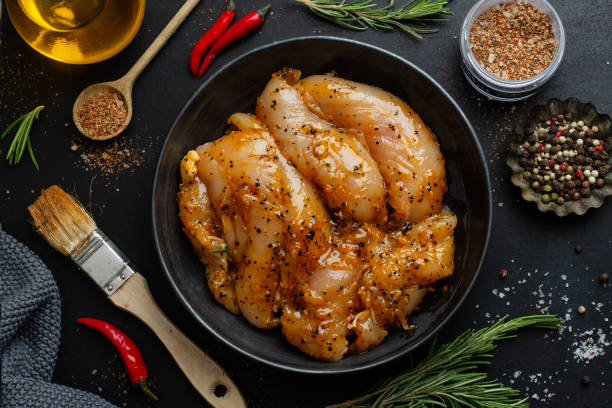
Each ingredient has a particular purpose. Oil helps distribute seasonings across the chicken, while ingredients such as lemon juice or vinegar contribute brightness. Herbs and spices provide aroma, and ingredients such as honey or brown sugar can help create a caramelized exterior during cooking.
However, marinating does not make chicken tender simply by leaving it in liquid for a long time. Most marinades primarily affect the surface, and excessive exposure to strong acidic ingredients can make the exterior soft or mushy.
The goal is to find a balance that adds flavor without overpowering the natural taste of the chicken.
The Best Homemade Chicken Marinade Recipe
<AsyncImage query=”grilled juicy marinated chicken breast golden char marks lemon garlic fresh rosemary rustic plate” aspectRatio=”16:9″ width=”100%” />
This all-purpose chicken marinade combines olive oil, lemon juice, garlic, and herbs for a balanced flavor that works with several cooking methods. It is suitable for chicken breasts, thighs, drumsticks, and boneless chicken pieces.
Recipe at a Glance
| Recipe detail | Information |
|---|---|
| Preparation time | 10 minutes |
| Marinating time | 30 minutes to 4 hours |
| Cooking time | Depends on the chicken cut and method |
| Servings | 4 |
| Difficulty | Easy |
| Flavor profile | Garlicky, tangy, savory, and herby |
| Best cooking methods | Grilling, baking, or pan-searing |
Ingredients
- ¼ cup olive oil
- 3 tablespoons fresh lemon juice
- 4 garlic cloves, finely minced
- 1 tablespoon Dijon mustard
- 1 tablespoon soy sauce
- 1 teaspoon dried oregano
- 1 teaspoon paprika
- ½ teaspoon freshly ground black pepper
- ½ teaspoon onion powder
- 1 teaspoon honey, optional
- Salt to taste, depending on the saltiness of the soy sauce
Why These Ingredients Work Together
Olive oil: Helps coat the chicken and distribute fat-soluble flavors from the seasonings.
Lemon juice: Adds fresh acidity that balances the richness of the oil and gives the marinade a bright flavor.
Garlic: Provides a familiar savory aroma that works especially well with roasted or grilled chicken.
Dijon mustard: Adds tanginess and helps the ingredients combine into a more cohesive mixture.
Soy sauce: Contributes savory depth and salt. Reduce additional salt when using a salty soy sauce.
Oregano and paprika: Add herbal and slightly smoky notes, creating a flavor that works with many side dishes.
Honey: Optional sweetness encourages browning, although it can burn if the chicken is cooked over excessively high heat.
How to Make Chicken Marinade Step by Step
Step 1: Prepare the Marinade
Add the olive oil, lemon juice, minced garlic, Dijon mustard, soy sauce, oregano, paprika, black pepper, onion powder, and optional honey to a medium-sized bowl.
Whisk until the mixture looks evenly combined.
Taste a small amount of the marinade before adding the chicken. Adjust the lemon juice for extra brightness, the honey for sweetness, or the herbs for a more pronounced herbal flavor.
Step 2: Prepare the Chicken
Pat the chicken dry with paper towels. If using large chicken breasts, consider gently flattening the thicker sections to create a more even thickness. This helps the chicken cook more consistently.
Place the chicken in a food-safe container or a resealable food bag.
Avoid washing raw chicken in the sink, as splashing water can spread bacteria to nearby surfaces.
Step 3: Coat the Chicken
Pour the marinade over the chicken and turn each piece until it is evenly coated.
If using a food bag, seal it securely and gently massage the outside so the marinade reaches the surfaces of the chicken.
Place the container in the refrigerator immediately.
Step 4: Allow the Flavors to Develop
For boneless chicken breasts or thighs, marinate for approximately 30 minutes to 4 hours. Smaller pieces may need less time, while bone-in cuts can benefit from a longer period within a safe refrigerated window.
Avoid leaving chicken in a strongly acidic marinade for too long, because the surface texture can become unpleasant.
Step 5: Remove the Chicken and Cook
Take the chicken out of the refrigerator when you are ready to cook. Remove excess marinade so the chicken browns rather than steams.
Discard the marinade that has contacted raw chicken, unless you boil it thoroughly before using it as a sauce. Never brush raw marinade onto cooked chicken.
Cook using your preferred method, checking the thickest part with a food thermometer. Chicken should reach an internal temperature of 165°F (74°C) for safety.
Step 6: Rest and Serve
Once cooked, allow the chicken to rest briefly before slicing. This helps the juices distribute through the meat and makes serving easier.
Finish with fresh parsley, lemon wedges, or a sprinkle of black pepper for extra flavor.
Five Delicious Chicken Marinade Variations
One reliable marinade is useful, but having several flavor combinations makes weekly cooking more interesting. The following variations offer different tastes without requiring complicated techniques.
<box gap={3}>
<row align=start gap={3}>
<AsyncImage query=”honey garlic glazed grilled chicken thighs sesame seeds garlic sauce plate” aspectRatio=”3:4″ maxWidth=”124px” />
<box flex=”1″ gap={1}>
<title size=”md”>1. Honey Garlic Chicken Marinade</title>
<text color=”secondary” size=”sm”>Sweet, savory, and garlicky</text>
Combine 2 tablespoons honey, 2 tablespoons soy sauce, 1 tablespoon olive oil, 3 minced garlic cloves, and 1 teaspoon grated ginger. Marinate boneless chicken for 30 minutes to 4 hours in the refrigerator. Cook carefully because the honey can brown quickly.
</box>
</row>
<divider color=”subtle” />
<row align=start gap={3}>
<AsyncImage query=”lemon herb grilled chicken breast fresh rosemary thyme lemon wedges plate” aspectRatio=”3:4″ maxWidth=”124px” />
<box flex=”1″ gap={1}>
<title size=”md”>2. Lemon Herb Chicken Marinade</title>
<text color=”secondary” size=”sm”>Fresh, bright, and aromatic</text>
Mix 3 tablespoons olive oil, 2 tablespoons lemon juice, 2 minced garlic cloves, 1 teaspoon oregano, 1 teaspoon thyme, and black pepper. This variation pairs beautifully with roasted potatoes, green beans, and Mediterranean salads.
</box>
</row>
<divider color=”subtle” />
<row align=start gap={3}>
<AsyncImage query=”spicy paprika chili grilled chicken thighs red chili flakes lime wedges” aspectRatio=”3:4″ maxWidth=”124px” />
<box flex=”1″ gap={1}>
<title size=”md”>3. Spicy Chili Chicken Marinade</title>
<text color=”secondary” size=”sm”>Bold, warm, and slightly smoky</text>
Combine 2 tablespoons olive oil, 1 tablespoon lime juice, 1 teaspoon smoked paprika, ½ teaspoon chili powder, 2 minced garlic cloves, and a pinch of cayenne pepper. Adjust the chili according to your preferred heat level.
</box>
</row>
<divider color=”subtle” />
<row align=start gap={3}>
<AsyncImage query=”Asian style soy ginger marinated grilled chicken sliced green onions sesame seeds” aspectRatio=”3:4″ maxWidth=”124px” />
<box flex=”1″ gap={1}>
<title size=”md”>4. Soy Ginger Chicken Marinade</title>
<text color=”secondary” size=”sm”>Savory, fragrant, and umami-rich</text>
Whisk together 3 tablespoons soy sauce, 1 tablespoon neutral oil, 1 tablespoon rice vinegar, 1 teaspoon grated ginger, 2 minced garlic cloves, and 1 teaspoon sesame oil. Serve with rice, stir-fried vegetables, or noodles.
</box>
</row>
<divider color=”subtle” />
<row align=start gap={3}>
<AsyncImage query=”creamy yogurt spiced chicken marinade turmeric cumin paprika bowl raw chicken” aspectRatio=”3:4″ maxWidth=”124px” />
<box flex=”1″ gap={1}>
<title size=”md”>5. Yogurt Spice Chicken Marinade</title>
<text color=”secondary” size=”sm”>Creamy, fragrant, and warmly spiced</text>
Mix ½ cup plain yogurt, 1 tablespoon lemon juice, 2 minced garlic cloves, 1 teaspoon cumin, 1 teaspoon paprika, ½ teaspoon turmeric, and black pepper. Coat the chicken and refrigerate for 2–8 hours. This style works especially well for grilled skewers or oven-roasted chicken.
</box>
</row>
</box>
How Long Should You Marinate Chicken?
The ideal marinating time depends on the cut, thickness, and ingredients in the marinade. The following are practical guidelines rather than strict rules.
| Chicken cut | Suggested marinating time | Useful tip |
|---|---|---|
| Boneless chicken breast | 30 minutes–4 hours | Avoid overexposure to strong acids |
| Boneless chicken thighs | 30 minutes–6 hours | Work well with bold seasonings |
| Bone-in thighs or drumsticks | 2–8 hours | Turn pieces occasionally for even coating |
| Chicken wings | 30 minutes–4 hours | Pat dry before cooking for better browning |
| Small chicken cubes | 20 minutes–2 hours | Small pieces absorb surface flavor quickly |
| Yogurt-marinated chicken | 2–8 hours | Keep refrigerated and avoid excessive marinating |
Always marinate chicken in the refrigerator, not on the kitchen counter. If you need to marinate it overnight, choose a recipe designed for a longer period and avoid excessive amounts of strong acidic ingredients.
Best Ways to Cook Marinated Chicken
The same marinade can produce different results depending on the cooking method.
Grilling
Grilling creates smoky flavors and attractive char marks. Preheat the grill, remove excess marinade, and turn the chicken as needed to prevent burning. Honey-based marinades need particular attention because sugars can darken quickly.
Baking
Baking is convenient for family dinners and meal preparation. Arrange the chicken in a suitable baking dish without overcrowding. Cooking time depends on the cut and thickness, so use a thermometer rather than relying on time alone.
Pan-Searing
A skillet is ideal for boneless chicken breasts and thighs. Heat a small amount of oil, remove excess marinade, and sear the chicken until browned. Lower the heat as needed to cook the center without burning the outside.
Air-Frying
Air-frying is useful for smaller portions. Lightly remove excess marinade and arrange the chicken in a single layer so hot air can circulate. Avoid filling the basket too tightly.
Regardless of the method, make sure the thickest portion reaches 165°F (74°C).
Common Chicken Marinade Mistakes to Avoid
Even an excellent recipe can disappoint if the preparation is not handled properly. Keep these common problems in mind.
- Using too much acid: Excess lemon juice or vinegar for too long can make the outer layer mushy.
- Marinating at room temperature: Always refrigerate raw chicken while it marinates.
- Adding too much salt: Soy sauce and other salty ingredients may provide enough seasoning on their own.
- Cooking chicken straight from a pool of marinade: Excess liquid can prevent proper browning.
- Reusing raw marinade: Discard it or bring it to a full boil before using it as a sauce.
- Overcrowding the pan: Crowding traps steam and makes browning more difficult.
- Guessing whether chicken is cooked: Use a food thermometer to confirm the safe internal temperature.
How to Store Chicken Marinade
Preparing marinade ahead of time can make dinner easier, but safe storage matters.
Unused marinade: Store it in a clean, covered container in the refrigerator and use it within a few days, depending on the freshness of the ingredients.
Marinated raw chicken: Keep it covered and refrigerated at 40°F (4°C) or below. For food safety, raw chicken should generally be cooked within 1–2 days of refrigeration, even if it is already marinated.
Freezing marinated chicken: Place the chicken and fresh marinade in a freezer-safe bag or container, label it, and freeze promptly. Thaw it in the refrigerator rather than on the counter, then cook it thoroughly.
Leftover cooked chicken: Refrigerate within two hours of cooking in a covered container and generally use within 3–4 days.
Do not put cooked chicken back onto a plate or surface that held raw chicken unless it has been properly washed.
What to Serve With Marinated Chicken
A delicious marinade deserves side dishes that complement its flavor. Here are a few easy combinations:
| Side dish | Best pairing |
|---|---|
| Roasted potatoes | Lemon herb or garlic chicken |
| Brown rice | Soy ginger or spicy chicken |
| Grilled vegetables | Honey garlic or lemon herb chicken |
| Fresh cucumber salad | Yogurt-marinated chicken |
| Steamed broccoli | Soy ginger chicken |
| Corn on the cob | Grilled chili chicken |
| Mediterranean quinoa salad | Lemon herb chicken |
| Whole-wheat flatbread | Yogurt-spiced chicken |
For a balanced meal, combine chicken with vegetables and a suitable source of carbohydrates, such as potatoes, rice, or whole grains.
Frequently Asked Questions
What is the best marinade for chicken?
An all-purpose combination of olive oil, lemon juice, garlic, herbs, and a savory ingredient such as soy sauce is an excellent starting point. It works with many chicken cuts and cooking methods.
Can I marinate chicken overnight?
Yes, if the recipe and ingredients are suitable for longer marinating. Refrigerate the chicken throughout the process and avoid leaving it in a highly acidic marinade for too long, as this can affect texture.
Does marinating chicken make it more tender?
Marinades mainly flavor the outer layers of chicken. Salt can help improve moisture retention, while yogurt-based mixtures can affect the surface texture. Cooking the chicken correctly is still essential for a juicy result.
Can I use frozen chicken in a marinade?
Thaw chicken safely in the refrigerator before marinating for more predictable results. You can also freeze chicken with marinade, then thaw it in the refrigerator so the flavors develop as it defrosts.
Should I rinse chicken after marinating?
No. Rinsing raw chicken can spread bacteria around the sink and nearby surfaces. Simply remove excess marinade and cook the chicken thoroughly.
Can I reuse chicken marinade as a sauce?
Never use marinade that has touched raw chicken without proper treatment. Either discard it or bring it to a full boil before using it as a sauce. A safer and often better option is to reserve a separate portion before adding the raw chicken.
Final Thoughts
A homemade chicken marinade is one of the simplest ways to make everyday meals more flavorful. With a handful of pantry ingredients, you can create chicken that tastes bright and herby, sweet and savory, smoky and spicy, or rich with warm spices.
Start with the classic lemon-garlic recipe, then try the honey garlic, soy ginger, or yogurt-based variations to discover your favorite. Adjust the herbs and seasonings to match your preferred cooking style, and pair the finished chicken with vegetables, rice, potatoes, or fresh salads.
Remember that a great marinade is only part of the process. Refrigerate the chicken while it marinates, avoid reusing raw marinade without boiling it, and check that the chicken reaches 165°F (74°C) before serving.
The secret to memorable chicken is a thoughtful balance of flavor, proper preparation, and careful cooking. Once you master this simple marinade, you will have a reliable recipe for family dinners, weekend barbecues, and easy meal preparation throughout the year.