
Quick One-Pot Meals for Stress-Free Weeknight Dinners is less about following a perfect routine and more about finding dependable ideas that make sense in your kitchen. The difference between a meal that feels manageable and one that creates extra work often comes down to choosing ingredients carefully, preparing them in a sensible order and knowing which details matter. This guide focuses on practical combinations, including tomato chickpea one-pot orzo and coconut lentil curry pot, with clear methods you can adapt to your own appetite, schedule and equipment.
Pay attention to doneness and food safety, especially with meat, seafood and reheated foods. Use a food thermometer where appropriate, and adjust cooking times to the size of ingredients and your equipment. In the context of this guide, consider sausage pepper rice pot: it relies on cooked sausage pieces, peppers, rice, onion and stock. Having the main components in place first creates space to pay attention to the actual cooking rather than searching for one missing item halfway through. Simple preparation also makes it easier to change the portion size, switch a garnish or leave out a component that is not right for you.
Before you begin: tomato chickpea one-pot orzo and the essentials
Take a moment to notice what appears repeatedly in these ideas: orzo, chickpeas, tomatoes, spinach and stock for tomato chickpea one-pot orzo, and chicken pieces, white beans, carrots and broth for chicken and bean stew. Those are not shopping lists you must complete in full. They are examples of how a core ingredient can be supported by something with a different texture, a little seasoning and an appropriate liquid or finishing element. Set out only what the chosen method needs; a tidy counter makes measuring, chopping and cooking more accurate.
Five practical ways to explore quick one-pot meals for stress-free weeknight dinners
1. Tomato chickpea one-pot orzo
For around three portions, add 140 g dry orzo, 300 g chopped tomatoes and about 450 ml stock to a sautéed onion. Stir as the orzo cooks, then fold in one drained tin of chickpeas and 80 g spinach. Add a little more stock if the pasta catches or absorbs liquid too quickly. Keep the heat at a controlled simmer and serve when the orzo is tender and the sauce coats it comfortably.
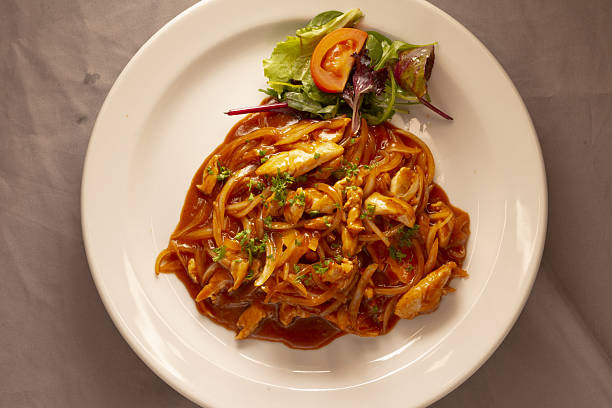
The basic preparation is straightforward: simmer orzo with tomatoes and stock, then fold in beans and spinach. Stir occasionally and add liquid as needed. Do not rush the final stage, especially when the mixture is thickening, a pan is browning or fragile ingredients are being folded together. A moment spent checking consistency now is easier than repairing something that has become too dry or overcooked. Finish with a clean plate and keep contrasting textures separate until the last minute if needed.
2. Sausage pepper rice pot
The key ingredients here are cooked sausage pieces, peppers, rice, onion and stock. Think about the job each one does rather than seeing the list as a rigid formula: cooked sausage pieces is the main starting point, while peppers shapes the flavour or feel of the finished food. Measure approximate portions before cooking and leave space to make small adjustments after tasting. Working with ingredients you already know makes it easier to recognise when the dish needs more heat, seasoning or moisture.
To put the ingredients together, brown sausage and onion, add peppers and rice, then simmer covered. Check rice tenderness before removing from heat. Keep heat steady instead of turning it up to make up for lost time. If the dish needs to come together quickly, prepare the slower elements first and add delicate ingredients later. At the end, check for a pleasing contrast between the central ingredient and its supporting flavours. That final taste is more useful than adding an arbitrary extra garnish.
3. Coconut lentil curry pot
With red lentils, coconut milk, tomatoes and curry spices on hand, this is a practical dish to prepare without complicated equipment. Put the ingredients that need the most attention where you can reach them and leave anything used for the finish to one side. When a recipe contains a juicy fruit or vegetable, dry or drain it if the intended result is crisp. When the outcome should be soft or creamy, use liquid sparingly at first and add more only when required.
Cook onion and spices, then simmer lentils with coconut milk and tomatoes. Finish with lime for balance. Watch the food as the texture changes rather than relying entirely on a clock, because quantities, pan materials and ingredient sizes all vary. Serve while the dish is at its best, and taste the finished combination before reaching automatically for more salt or sweetness. A modest fresh garnish is often enough to make the ingredients feel deliberate and complete.
4. Chicken and bean stew
Build this version from chicken pieces, white beans, carrots and broth. A good starting habit is to separate preparation from cooking: rinse and cut produce, measure pantry items, and decide what can wait until serving. The main ingredients should taste recognisable, so extra spices and sauces are optional rather than automatically necessary. If one component is unavailable, replace it with something that plays a similar role in texture and moisture, not simply something that happens to be nearby.
Work through the following sequence: brown the chicken, add vegetables and stock, and cook gently until done. Add beans toward the end so they hold shape. Look for the cues described in the method—softness, colour, a smooth mixture or a set centre—instead of assuming every hob or oven heats identically. Once the food is ready, give it only the resting or cooling time that helps its texture. Serving temperature matters too: some dishes shine warm, while others are more pleasant thoroughly chilled.
5. Mushroom spinach creamy pasta
Start with short pasta, mushrooms, spinach and vegetable broth. This combination works because the central ingredient gives the dish its character while the supporting elements bring moisture, body or contrast. Lay everything out before beginning and decide how finely each ingredient needs to be prepared. Smaller, even pieces are helpful when several components should finish cooking together; larger pieces are useful when you want them to remain noticeable in the finished dish. Adjust quantities to the number of portions rather than forcing a fixed serving size.
Prepare it this way: simmer pasta with broth and mushrooms, stirring toward the end. Add greens late and finish with grated cheese. Work in a calm order and avoid crowding a pan or bowl when that would interfere with the result. If an ingredient seems overly wet, remove a little liquid or give it time to cook down rather than adding a thickener immediately. Serve in a portion that leaves room for a side dish, fruit or vegetables as appropriate to the meal.
How to adapt sausage pepper rice pot to your routine
You do not need to prepare all five ideas to make this guide useful. Choose tomato chickpea one-pot orzo when you want something familiar, or try mushroom spinach creamy pasta when you would like a change in flavour or technique. Decide what can be done in advance without damaging texture. Sturdy ingredients are often suitable for early preparation, whereas fresh herbs, delicate greens, crisp toppings and some dressings are better saved until serving. That distinction is especially helpful when cooking for a household with different schedules.
If you would like another perspective within this part of the kitchen, read more dinner recipes guides. It builds on related everyday skills while giving you another useful set of combinations to choose from. The goal is to develop a small collection of methods that you can rely on, rather than treating each idea as something entirely new to learn.
When coconut lentil curry pot does not go to plan
A common obstacle is beginning before you know which component needs the most time. With sausage pepper rice pot, read the whole method and prepare ingredients in the order they will enter the dish. If the result is watery, think first about moisture from the ingredients and whether sufficient evaporation was possible. If it is dry, look at cooking temperature, pan size and the amount of liquid. Changing one of those variables usually teaches you more than adding several last-minute corrections at once.
Flavour problems also deserve a measured approach. Taste coconut lentil curry pot after its main ingredients have combined; only then decide whether it needs salt, gentle acidity, additional herbs or something to soften a strong flavour. In sweet dishes, check whether the texture is the real issue before adding extra sugar. Some failures cannot be safely repaired, particularly undercooked animal products or improperly stored food: follow reliable food-safety recommendations instead of guessing. Keep a brief note of what you would change next time.
Keeping the best of mushroom spinach creamy pasta for later
Planning a second serving can save effort, but how you store it matters. For tomato chickpea one-pot orzo, separate fresh or crisp elements from moist components wherever practical. Refrigerate perishable prepared food promptly, use clean covered containers and follow appropriate local food-safety guidance. Cooked rice, meat, eggs and seafood need particular care with cooling, storage and reheating. Avoid leaving packed lunches at room temperature for long periods; use a chilled lunch bag when necessary.
You can sometimes prepare ingredients for mushroom spinach creamy pasta ahead without assembling the entire dish. Freeze suitable cooked components in labelled portions, then thaw and reheat safely. Fresh vegetables, herbs and crunchy toppings are often better added after reheating. Before eating a leftover, check how it was stored and how long it has been held; when there is uncertainty about safety, discard it. Good planning means leaving yourself an easy meal, not an unnecessary risk.
Common questions about quick one-pot meals for stress-free weeknight dinners
Can I make parts of quick one-pot meals for stress-free weeknight dinners ahead?
In many cases, yes. Begin with the stable components used in tomato chickpea one-pot orzo, and prepare delicate or crisp ingredients close to serving. For anything perishable, cool and refrigerate promptly in covered containers. The best make-ahead approach depends on the ingredients, so separate elements if combining them early would change the texture or make safe storage difficult.
What if I do not have an ingredient for sausage pepper rice pot?
First decide what that ingredient contributes: structure, moisture, bulk, freshness or flavour. Then use a familiar replacement with a similar role. A fresh garnish can often be changed more freely than a baking ingredient that controls how a batter rises. If the dish has dietary restrictions, check all substituted ingredients and labels rather than assuming alternatives are equivalent.
How do I keep quick one-pot meals for stress-free weeknight dinners practical for a busy week?
Choose one method such as mushroom spinach creamy pasta and repeat its core preparation before experimenting with extra elements. Make a short shopping list, group steps that use the same equipment and leave enough time for safe cooking or cooling. A simple dish you can prepare reliably is more useful than a complicated plan that does not fit your schedule.
Making tomato chickpea one-pot orzo part of everyday life
The most helpful takeaway from quick one-pot meals for stress-free weeknight dinners is not a complicated trick; it is a method you understand well enough to repeat and adjust. Start with tomato chickpea one-pot orzo, notice how the ingredients or tools respond, and choose one change next time if you want a different result. Keep safety, flavour and ease in balance. Cooking becomes more rewarding when familiar decisions feel manageable and each meal offers a small opportunity to learn.